
Tapping Tradition: Neera as a Health Drink in India
In recent years, India has witnessed a surge in interest in traditional foods and beverages—part of a broader global shift toward organic, sustainable, and nutritious food and drink choices.
“neera…a heritage powerhouse“
A drink that has been quietly making a comeback as a heritage powerhouse is neera (பதநீர், padaneer in Tamil)—the sweet, translucent sap extracted from the inflorescence of palm trees.
Rich in nutrients, neera is a refreshing drink that is uniquely suited to life in the tropics. It has traditionally been consumed across South and West India, notably in states like Kerala, Tamil Nadu, Maharashtra, Andhra Pradesh, and Gujarat.
Tappers usually harvest it early in the morning before natural fermentation kicks in.
The Problem with Neera in Colonial India
Neera’s status as a heritage drink takes on an additional layer of significance when we consider its role in the struggle for Indian independence.
In the late 1930s, Gandhi and the Indian National Congress looked to neera to substitute not just tea, which was backed by the colonial state, but also its alcoholic ‘other,’ toddy.
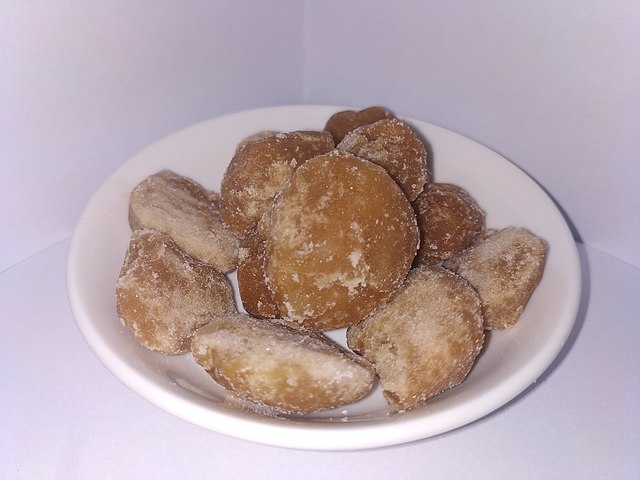
The nationalists saw neera as essential to the health of the rural economy. Its sales would offset the revenue that would be lost as a result of prohibition and absorb the toddy tappers rendered redundant as a result of the policy. Moreover, it could provide India with a cheap source of sugar as excess neera can be made into gur.
The neera campaign developed as part of a broader programme to resuscitate the palm industry, which had been decimated during the non-cooperation movement when thousands of trees were cut down in protest against toddy.

As prohibition drew near in the 1930s, the nationalists made the argument that neera was fresh and nutritious—a swadeshi drink through and through.
“a swadeshi drink through and through…”
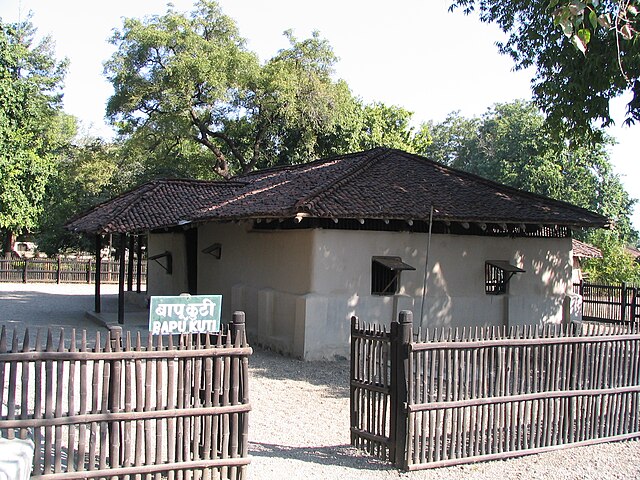
Efforts to promote the drink were particularly pronounced in the provinces of Bombay and Fort St George (Madras), provinces where the prohibition movement reached a fever pitch in the decades leading up to independence. Volunteers even served up neera for breakfast at the Sevagram ashram.
Neera gradually became a symbol of Indian national self-determination ranged against colonial avarice.
However, encouraging people to switch to producing neera from toddy, that too in the context of prohibition’s introduction, was easier said than done.
Gandhi and the Congress grossly overestimated the people’s support for the campaign and underestimated the deep roots that toddy had put down in local economies and cultures.
Relatedly, there was also the very real problem of fermentation. Technology had not caught up with nationalist ambitions at that point. Consequently, neera was often a case of delayed toddy; the campaign to popularise it failed, mired as it was in a series of controversies.
“neera…often a case of delayed toddy.”
The Commercialisation of a Heritage Drink
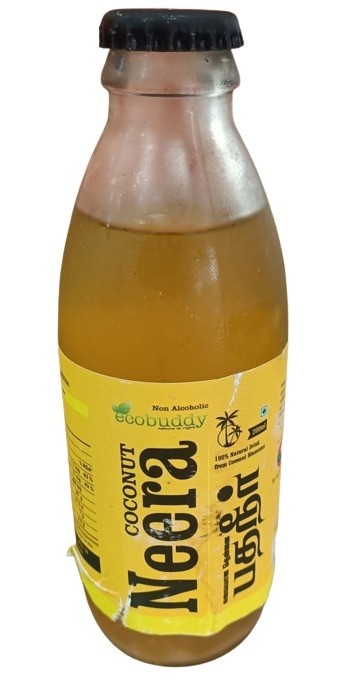
Long consumed fresh in the countryside, neera is now available in a number of Indian cities as well–bottled, branded, and marketed as a healthy alternative to sugary sodas and energy drinks. The most significant development in its commercialisation has come from government-backed research institutes and agricultural universities.
Organisations like the Central Food Technological Research Institute (CFTRI) and the Coconut Development Board (CDB) have played crucial roles in developing preservation techniques that enable neera to be bottled, thereby extending its shelf life.

Thermal processing and vacuum packaging technologies allow it to be pasteurised and stored for several weeks in temperature-controlled settings. Efforts are also underway to freeze-dry neera and turn it into powder for use in health drinks and supplements.
Many of these products are exported to the US, Europe, and Southeast Asia. Brands such as Kalparasa and Thenneera are now available in select markets and online platforms.
Several Indian states have recognised neera’s potential as a health drink and a boost to the rural economy. Kerala, for example, has been at the forefront of promoting the drink under its “Kalparasa” initiative. The Kerala State Government even amended laws to permit the collection and sale of neera separately from toddy, to distinguish the non-alcoholic beverage and encourage commercialisation. In Maharashtra, the state government has set up dedicated neera tapping cooperatives and training programs to equip farmers with safe, hygienic methods of sap extraction. Tamil Nadu and Andhra Pradesh have supported neera processing units, often with the help of private entrepreneurs and startups focused on clean-label health beverages. Bihar promotes neera as a “sober” solution for both livelihoods and public health under its prohibition policy.
“a ‘sober solution’ for both livelihoods and public health…”
The Problem with Neera in Contemporary India
Implementation, however, remains riddled with lapses in quality control, underdeveloped local infrastructural frameworks, and a general lack of awareness.
Within 2–3 hours of extraction, neera starts fermenting into toddy, making it unsafe for children and illegal under prohibition laws. Preserving it requires rapid chilling or pasteurisation, along with cold-chain infrastructure. Many states still underestimate these requirements.
In Bihar, a CAG report highlighted that government departments had launched neera units without adequate storage or testing facilities, resulting in widespread spoilage and losses of over ₹90 lakh in just two districts.
Farmers in Kerala and Tamil Nadu reported confusion over licensing rules, with neera permits often entangled in red tape meant for toddy. In Tamil Nadu, only 5% of trees in a region can be tapped for neera, severely limiting production scale. Despite being non-alcoholic, neera often attracts scrutiny from police due to its rapid spoilage and resemblance to toddy.

Neera’s career also directly impacts thousands of farmers and tappers. In Bihar, toddy tappers from the Pasi community reported harassment by the police in 2022, as fresh neera turned to toddy by midday. In Kerala, farmer cooperatives incurred financial losses due to mismanagement and lack of markets.
These failures are particularly egregious as they often involve marginalised communities who find themselves at the receiving end of bureaucratic red tape and punitive legislation.
Commercialising Neera: A Work in Progress
India’s neera industry is a case of work in progress, one that requires a long-term vision, planning, and sustained support to navigate the challenges ahead.
It has come a long way from the colonial past, owing to tremendous strides in technology and sustained political will to strengthen the industry within the framework of India’s export-oriented economy.
There is a great deal of potential to be tapped into with neera’s commercialisation, as the authorities have rightly identified.
“…a great deal of potential to be tapped into.”
While the export infrastructure is in place, local production and distribution frameworks remain underdeveloped. Slogans need to be backed with investment, sustained research and development efforts, infrastructural strengthening, and policy interventions—in other words, systems that work from tree to bottle.
With the right ecosystem, neera can thrive as India’s indigenous, healthy beverage alternative.
References:
- Darinee Alagirisamy, “The problem with neera: The (un)making of a national drink in late colonial India,” Indian Economic and Social History Review 56;1 (2019), pp. 77-97.
- G.M. Siddharameswara Swamy, “Coconut Neera production and processing in Karnataka,” https://www.coconutboard.in/docs/artcl-neera-icj-jan-13-sidhas.pdf.
- Mohankumar Chinnamma et. al, “Coconut Neera—A Vital Health Beverage from Coconut Palms: Harvesting, Processing and Quality Analysis,”Beverages 2019, 5(1), 22; https://doi.org/10.3390/beverages5010022.
- Coconut Development Board, https://www.coconutboard.in/images/media-nuffoodsspectrum-may15.pdf
 Darinee Alagirisamy

Leave a comment