From Hoochinoo to Hooch: Alcohol, Race, Power
“…a layered history of race, erasure, and colonial power…”
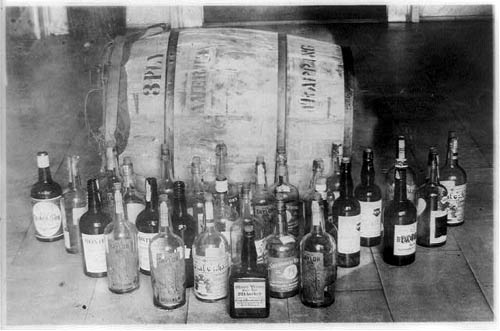
Today, ”hooch” is shorthand for cheap, illegal – frequently adulterated – alcohol. The word brings forth images of liquor cooked up in a dingy back shed.
Globally often used to refer to the devastation caused by drinking spurious liquor – as with the 2024 Kallakurichi hooch tragedy – the slang hides a layered history of race, erasure, and colonial power.
The term hooch comes from Hoochinoo, the name of a Tlingit Native American village in what is now Alaska. The Tlingit of Hoochinoo manufactured and sold their own alcohol through the distillation of molasses and food sources like fruits and potatoes when the US Congress passed laws restricting the sales of alcohol to the Indigenous peoples. Their brews became illicit in this context.
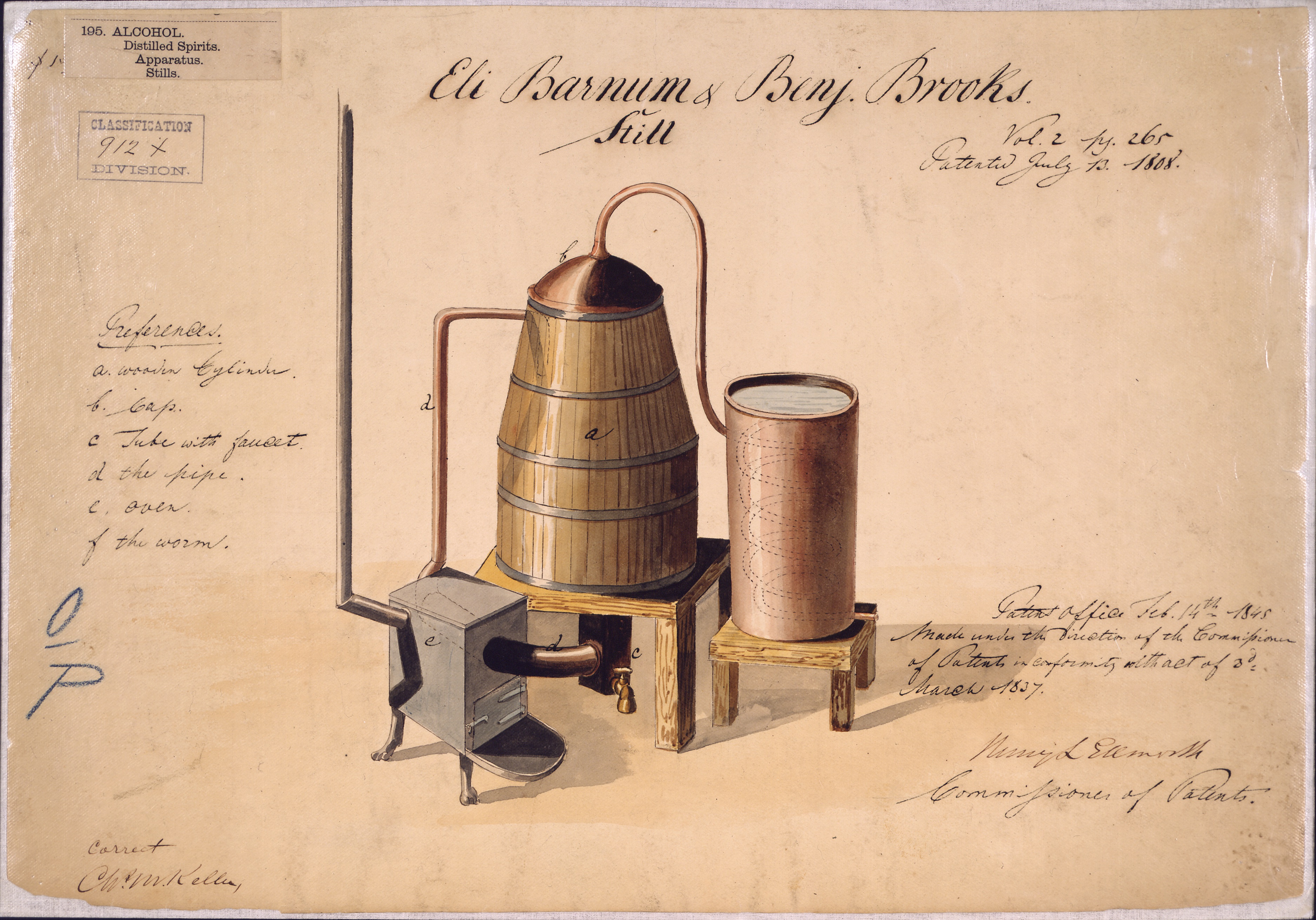
The Klondike gold rush increased the demand for alcohol as prospectors and traders swarmed the region. This made the production of the alcohol even more lucrative. At the height of the gold rush, the Oxford English Dictionary (OED) recorded the earliest citation for “hooch” as coming from M.H.E. Hayne’s Pioneer of Klondyke, which described cheaply and illegally made liquor as “weirdly horrible.” Shortened and stripped away from its Indigenous roots, “Hoochinoo” thus entered the English language, appropriated and transformed into something decidedly inferior in the process.

Source: Wikimedia Commons
With Prohibition, ‘hooch’ became shorthand for difference-as-deviance
The racialisation and criminalisation of hooch particularly intensified during the era of Prohibition in America, when it became synonymous with criminality and vice. As the production of liquor – which the state deemed illegal – was disproportionately policed in African American, indigenous, and immigrant communities, ‘hooch’ became shorthand for difference-as-deviance. In this context, homemade alcohol was policed as evidence of moral failure, framed by a white, Protestant legal gaze.
“…homemade alcohol – policed as evidence of moral failure…”
Today, the origins of hooch is more than a case of forgotten or overlooked etymology. It serves as a reminder that colonialism doesn’t just involve land — it involves languages too, sometimes changing them beyond recognition in the process.
For reference, the OED now defines “hooch” as follows:
“Hooch,” a largely American colloquialism for ‘cheap fiery alcoholic spirits’, originated among the ethnic peoples of Alaska. A small tribe that lived on Admiralty island called itself Hutsnuwu, ‘grizzly bear foot’ (a name variously transcribed by Europeans as Hootzenoo, Kootznahoo, Hoochinoo, etc.). It seems that they distilled their own brand of liquor, which American trappers and traders got to know as hoochinoo, or hooch for short (‘Whenever whisky runs short the Yukoner falls back upon a villainous decoction known as “hootchinoo” or “hootch”,’ c.1898, quoted in Pierre Berton, Centennial Food Guide, 1966). Hence, by the early twentieth century, any old improvised spirits that came to hand were known as hooch.”
There are striking parallels between the stories of hooch and கள் l kal or ताड़ी l tari, which entered English as toddy.
Check out “Toddy, Race, and Urban Space in Colonial Singapore, 1900-1959” for perspectives on how toddy became racialised.
#hooch #race #kallakurichi #toddy #colonialism
References:
- Scott C. Martin ed., The SAGE Encyclopedia of Alcohol: Social, Cultural, and Historical Perspectives (New York: SAGE Publications, 2014), pp. 703-704.
- Daniel Okrent, Last Call: The Rise and Fall of Prohibition (New York: Scribner, 2010), pp. 208-210.
- Malcolm D. Holmes and Judith A. Antell, “The Social Construction of American Indian Drinking: Perceptions of American Indian and White Officials,” The Sociological Quarterly, Vol. 42, No. 2 (Spring, 2001), pp. 151-173.
- Jaime Joyce, Moonshine: A Cultural History of America’s Infamous Liquor (New York: Zenith Press, 2014).
Links:
 Darinee Alagirisamy
.jpg)
Leave a comment